Academic Curriculum
What children learn and how teachers plan it
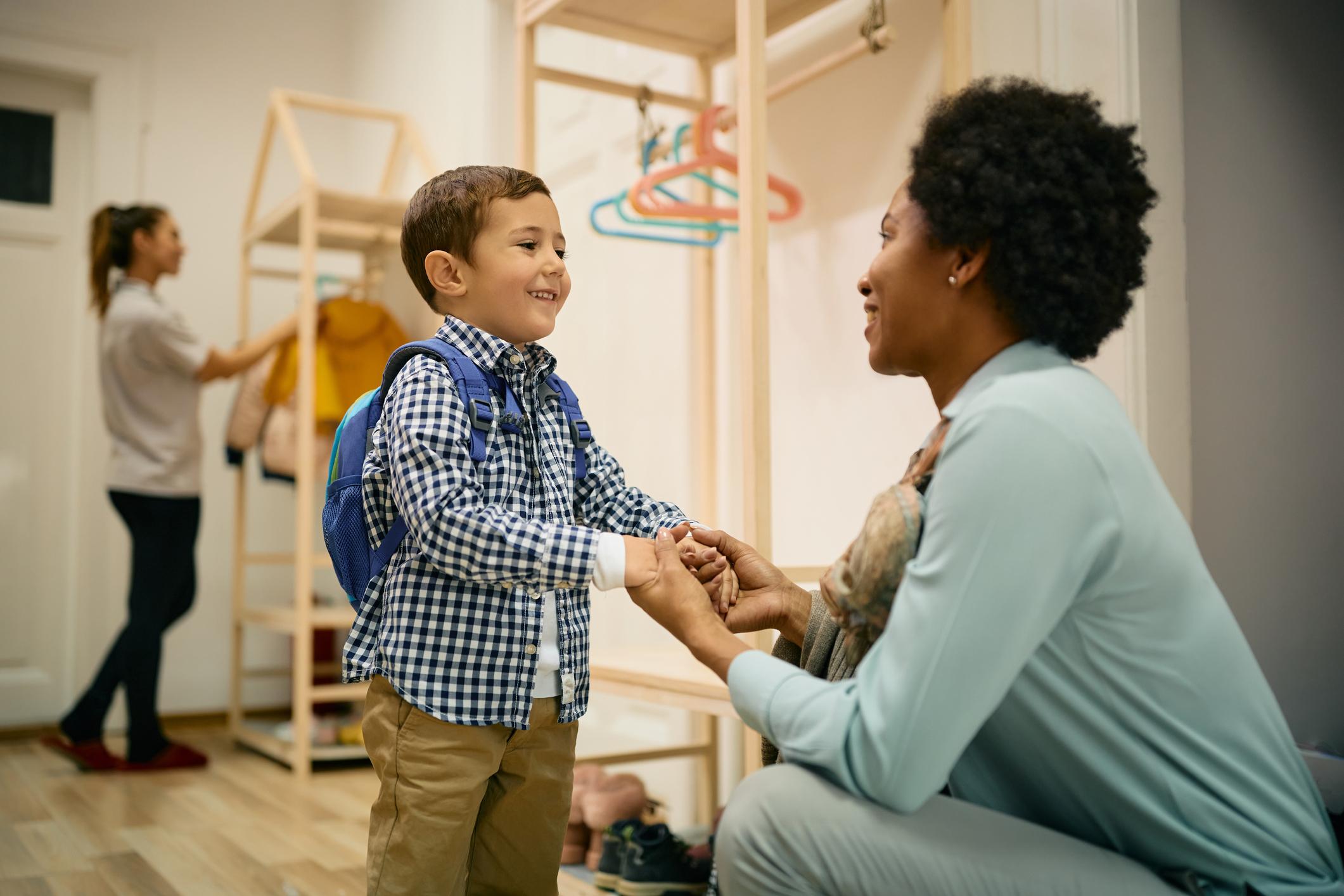
Teachers organize learning around topics children can observe, explore, and ask questions about, such as the changing seasons and the animals around them. These topics connect activities across subjects and are adapted to the interests and developmental stages of each group. Teachers often choose these topics from questions the children have asked.
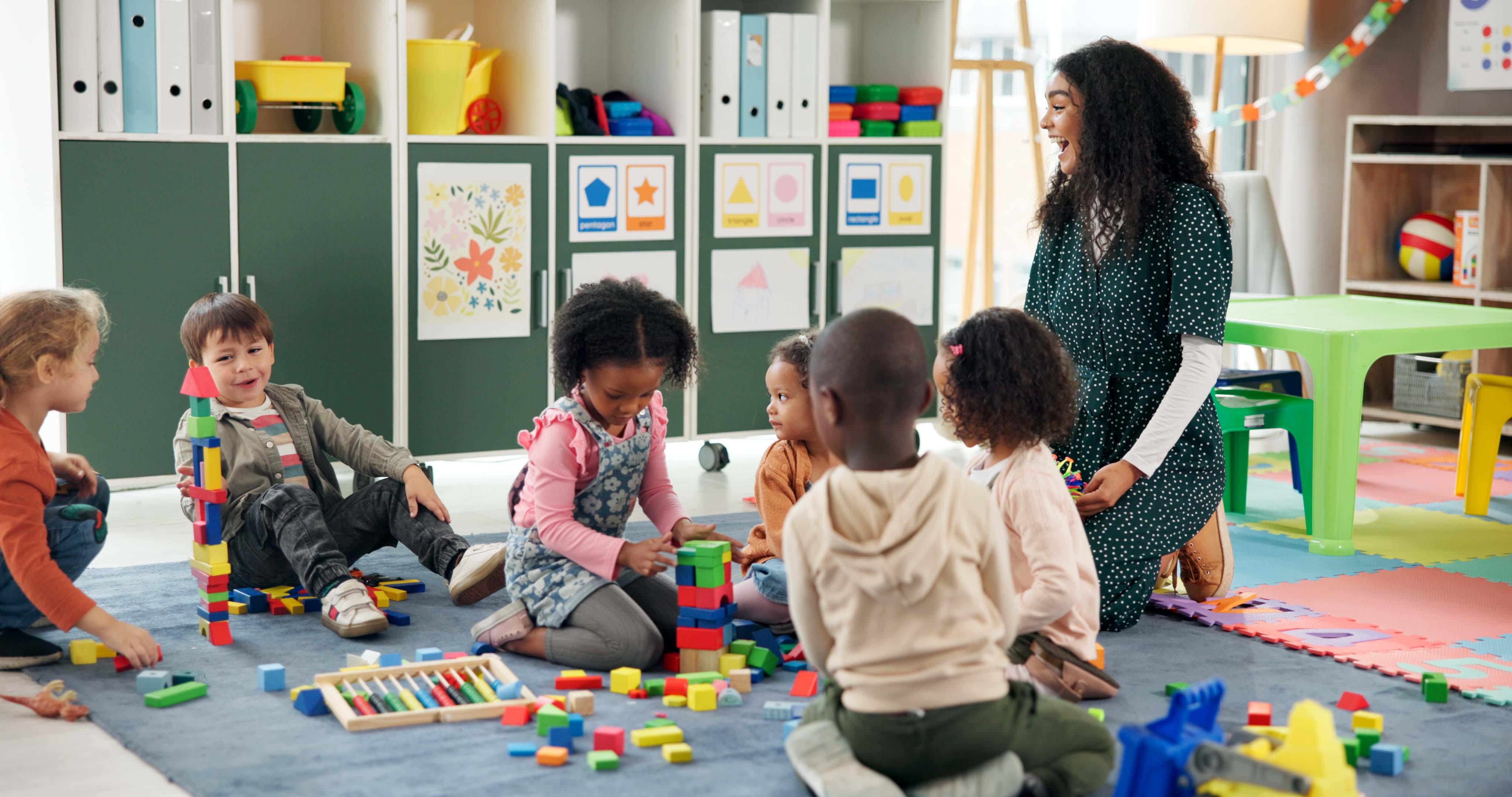
Throughout the day, children learn in a variety of settings. Teachers lead whole-group activities and work with small groups. Children also spend time at learning centers, areas of the classroom designed for specific activities, such as reading or building. For babies and toddlers, everyday routines such as meals, dressing, and getting ready for a nap are also important parts of the curriculum. Families may choose to add separate enrichment programs that take place outside the daily curriculum.
Each program page describes how children in that age group work on language, math, science, and movement.
Artistic Expression
Exploring color, shape, and materials
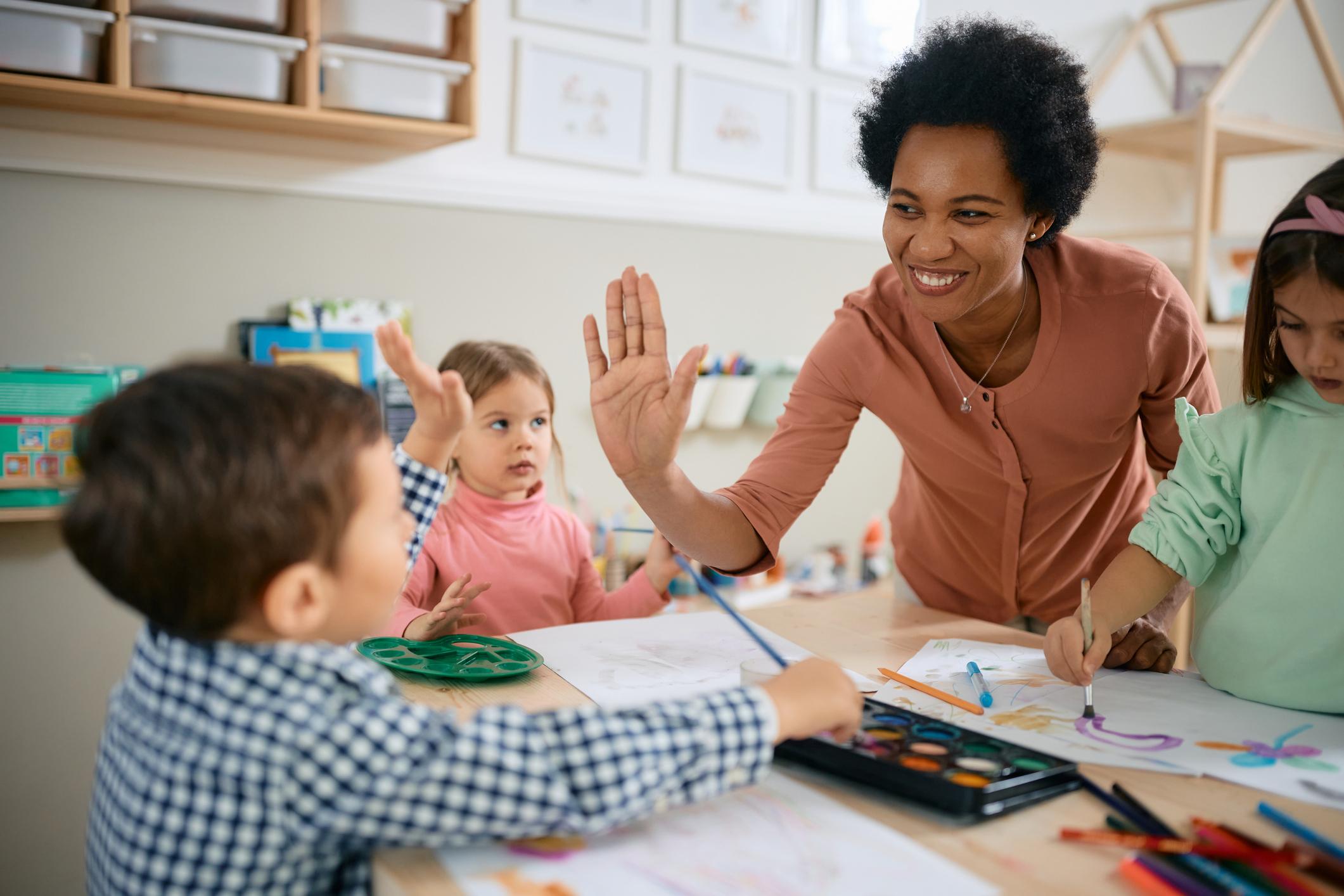
Through creative activities, children explore color, shape, and a range of materials, using them to express their feelings and ideas.
Teachers provide a range of materials and techniques, such as painting, drawing, and modeling, and give children time to experiment and see a piece through.
As children grow, they learn how colors mix and how to combine shapes in their artwork, and this work supports concentration, fine motor development, and creative expression.
Social & Emotional Development
Recognizing emotions and building self-confidence
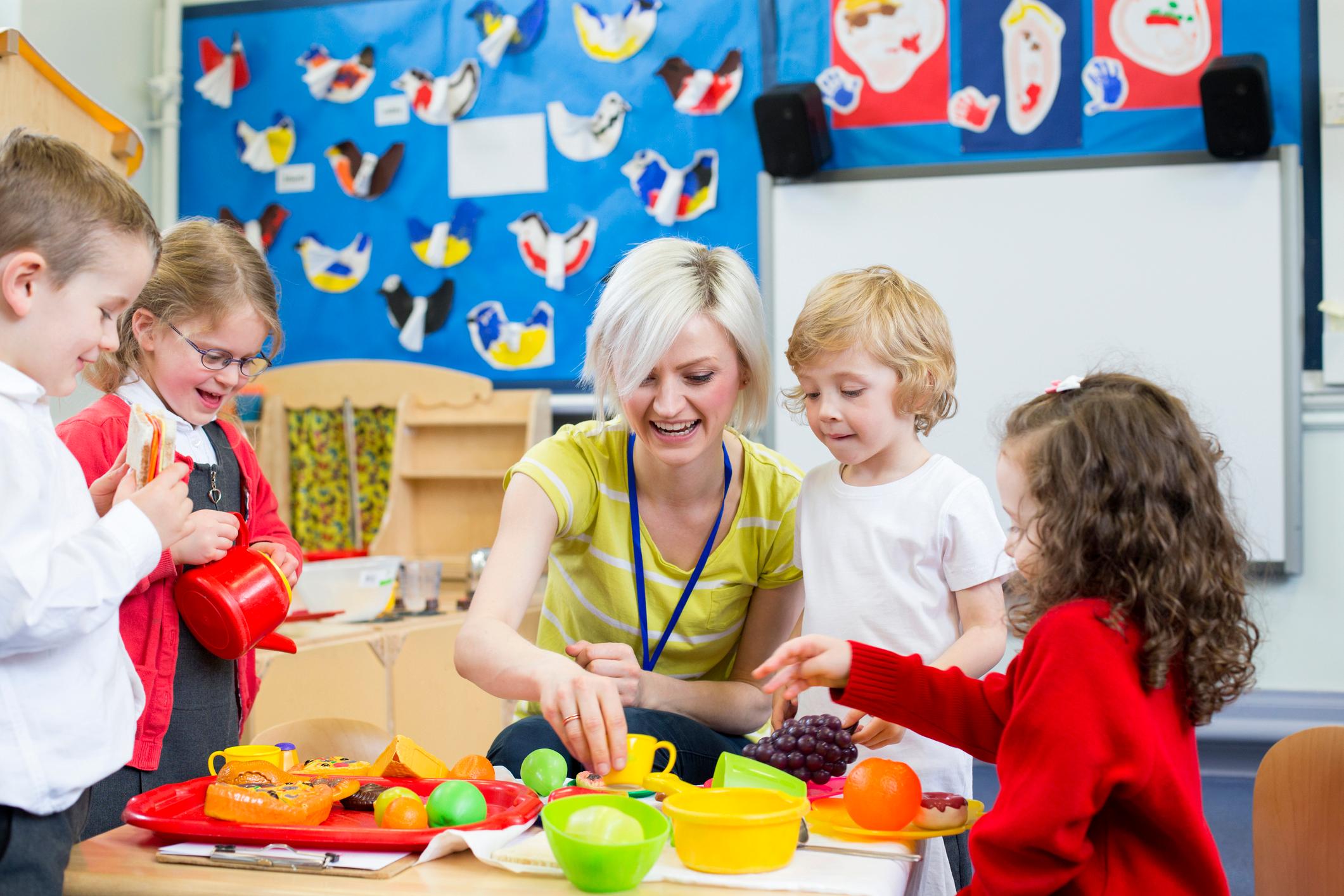
Social and emotional development starts with how children see themselves and how they get along with the adults and children around them.
Teachers are warm and responsive with each child, and they help children put emotions into words, manage frustration, and make friends with classmates.
This steady support helps children develop self-confidence, emotional awareness, and self-control.
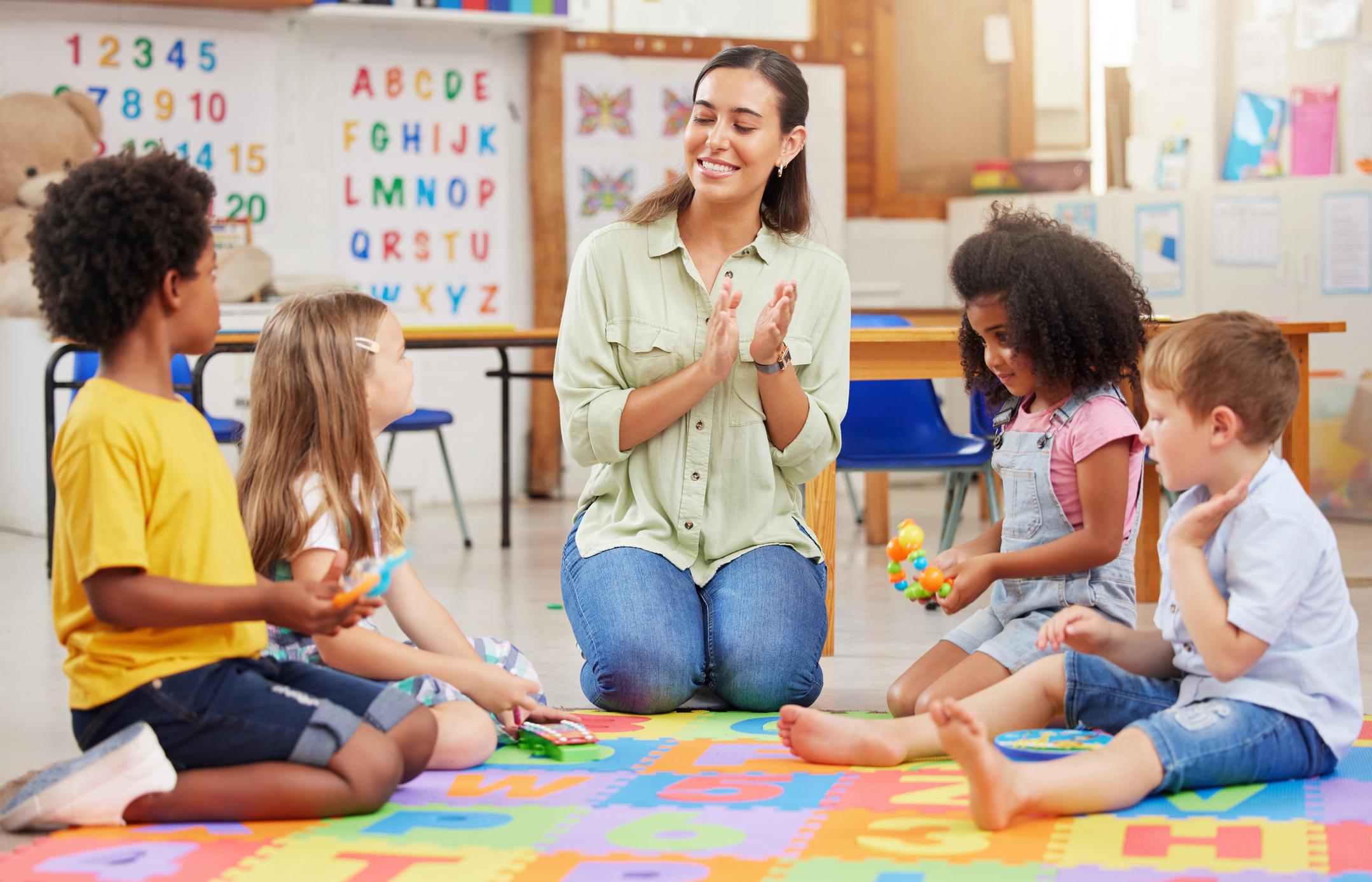
Diversity & Culture
Appreciating differences among people and cultures
Children notice early on that people differ in many ways, and teachers teach that everyone deserves to be treated fairly and with respect.
Teachers introduce different cultures with songs, stories, and holidays, and invite children to share their own families' traditions.
Getting to know classmates and other cultures in this way helps children develop empathy and a clearer sense of themselves and others.